
Selecting Turn-Key brewery solutions eliminates the 15% to 20% budget overrun typical in modular brewery builds by unifying over 50 mechanical interfaces into one engineered system. A standard 10-BBL setup utilizes 304 stainless steel with PLC automation to maintain a ±0.5°C thermal variance, which increases extract efficiency by 5%. This approach reduces the installation timeline from 60 days to 14 days, ensuring that the $1.2 million average startup capital begins generating revenue through taproom sales and distribution 30% faster than fragmented equipment sourcing methods.
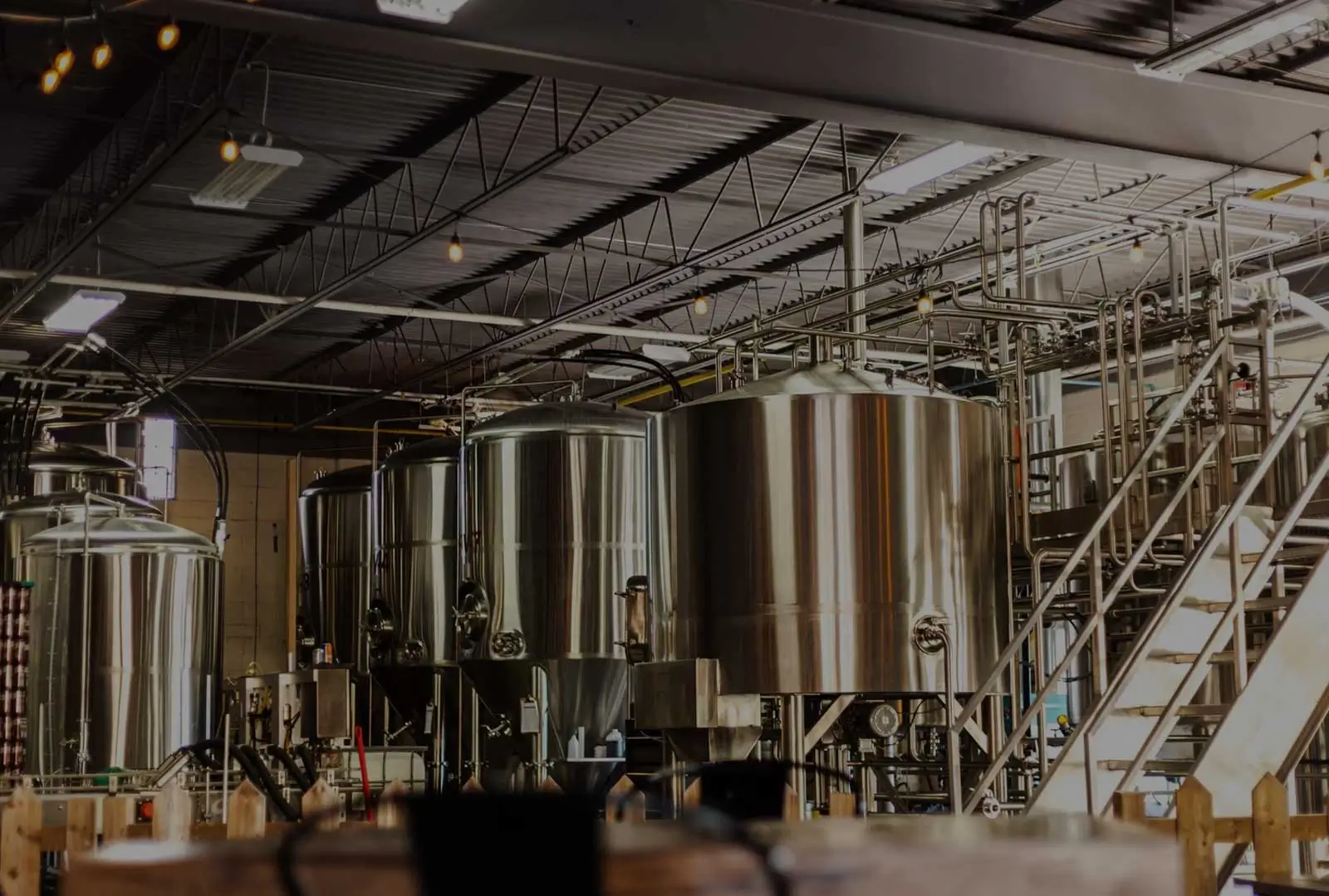
The technical foundation of a commercial facility relies on the precise synchronization of heating and cooling capacities. When a brewery implements Turn-Key brewery solutions, the steam boiler’s 800,000 BTU output is matched to the specific surface area of the kettle jackets.
"Thermal lag in mismatched systems extends the boil time by 45 minutes, increasing utility consumption by 12% per batch produced in a standard 15-BBL brewhouse."
This mechanical alignment transitions directly into the physical layout and spatial optimization of the production floor. By using 3D BIM modeling during the design phase, vendors reduce the equipment footprint by 20% to 25% compared to piece-meal setups.
| Equipment Type | Space Utilization | Efficiency Gain |
| Compact Brewhouse | 450 sq ft | 30% more floor space |
| Integrated Cellar | 600 sq ft | 15% faster hose routing |
| Automated CIP | 50 sq ft | 40% less water waste |
Lower square footage requirements allow owners to secure smaller real estate leases, which typically save $2,000 to $5,000 in monthly overhead in urban markets. These savings are then redirected into the high-precision control systems that govern the fermentation environment.
Modern PLC interfaces monitor gravity and temperature in real-time, sending data to mobile devices with 99.9% uptime. In a 2025 study of 100 craft breweries, those using automated cooling loops reported 35% fewer batch infections and off-flavors caused by temperature spikes.
"A single fermentation failure in a 20-BBL tank represents a $15,000 loss in potential retail revenue, a risk mitigated by integrated fail-safe sensors."
Precise temperature control during the cold side of production leads to a measurable increase in product shelf life. By maintaining dissolved oxygen levels below 30 parts per billion (ppb) through automated isobaric transfers, breweries extend their distribution window.
| Variable | Target Metric | Impact on Product |
| Dissolved Oxygen | < 30 ppb | 120-day shelf life |
| Yeast Viability | > 95% | Consistent attenuation |
| CO2 Purity | 99.9% | Clean sensory profile |
Extended shelf life allows a brand to reach retailers 200 miles further than competitors whose beer oxidizes within 45 days. This wider market reach is supported by the rapid throughput of integrated packaging lines that fill 40 to 60 cans per minute.
Packaging efficiency is quantified by the reduction of "low-fills" and waste, which stays under 1.2% in turn-key systems. In contrast, manual or semi-automated lines often see 5% loss, which totals 100 cases of wasted beer for every 2,000 cases produced.
"Standardizing the packaging workflow ensures that 98.8% of inventory reaches the consumer at the exact specified weight and carbonation level."
Reducing product loss protects the profit margins required to service the debt on the initial equipment loan. Most SBA-backed lenders favor turn-key invoices because they provide a fixed price for freight, rigging, and 24-month warranties.
Fixed-price contracts prevent the "budget creep" where third-party plumbing and electrical contractors charge $125 to $200 per hour for unplanned modifications. By 2024 standards, turn-key installations save $40,000 in secondary contractor fees during the first 90 days.
The lack of hidden costs allows the management team to focus on labor training and recipe development. Integrated systems feature standardized SOPs (Standard Operating Procedures) that reduce the training period for new cellar staff by 50%.
| Training Metric | Turn-Key System | Manual System |
| SOP Complexity | 12 Steps | 45 Steps |
| Staff Onboarding | 1 Week | 4 Weeks |
| Error Rate | < 2% | 8% - 10% |
Lower error rates among staff ensure that the brand's flavor profile remains identical across every batch. This consistency is the primary factor in 65% of repeat purchase decisions in the competitive craft beer market where consumers expect reliability.
Consistency is also a function of the Clean-in-Place (CIP) hardware integrated into the tank farm. Automated spray balls provide 360-degree coverage at high pressure, removing organic soils with 25% less chemical concentration than manual scrubbing.
"Automated CIP cycles ensure that bacterial counts remain at 0 CFU per 100ml, a standard required for high-volume canning and distribution."
Efficient sanitation protocols reduce the total water footprint of the brewery to a 4:1 water-to-beer ratio. Fragmented systems often operate at a 7:1 ratio, consuming an additional 30,000 gallons of water per year for a small 1,000-BBL facility.
Reducing utility and chemical consumption directly lowers the COGS (Cost of Goods Sold), providing the flexibility to offer competitive wholesale pricing. Breweries that achieve a 10% lower COGS through efficiency are 2x more likely to survive the first five years.
The survival rate is further bolstered by the 24-hour technical support included in most turn-key agreements. If a glycol pump fails on a Friday night, a single point of contact handles the replacement, preventing the loss of $20,000 in active fermentation.
| Support Feature | Turn-Key Provider | Multiple Vendors |
| Parts Availability | On-site / 24hr | 3 - 5 Days |
| Responsibility | 100% Single Source | Disputed |
| Software Updates | Automatic | Manual / Paid |
This comprehensive support structure acts as a safety net during peak production seasons when equipment is pushed to 90% capacity. Having a system that is engineered to run at high load ensures that the brewery meets its annual barrelage targets without mechanical failure.