
 From a finer microscopic perspective, the 60-mesh particle size creates a unique surface morphology. Its particle size distribution is concentrated, with over 85% of the particles concentrated in the 212-300 micrometer range. This results in uniform, dense micro-scratches on the material surface, rather than deep grooves. In the pre-polishing treatment of optical component molds, after fine grinding with white fused alumina grit, the surface peak height (Rz) can be rapidly reduced from 10 micrometers to 2 micrometers, saving over 50% of the time for subsequent nanoscale polishing and reducing the total processing cycle from 14 days to 9 days. This improved precision directly impacts the performance of end products. For example, it increases the light transmittance of mobile phone glass covers by 0.3% and narrows the touch sensitivity error range by 15%.
Market feedback and industry standards have validated its value. According to global abrasive consumption statistics, in applications requiring surface roughness between Ra 0.4 micrometers and Ra 1.6 micrometers, 60-mesh white fused alumina accounts for 34% of usage frequency, making it the preferred solution in this precision range. In the high-end wood processing sector, solid wood flooring treated with this abrasive specification achieved a 22% higher surface feel score in blind consumer tests compared to ordinary products, resulting in a price premium of up to 15 yuan per square meter. This reveals a core logic: the precise selection and process control of the seemingly basic parameter of white fused alumina grit 60 essentially transforms surface treatment from a costly process into a strategic technological decision that enhances product added value and optimizes overall production efficiency.
From a finer microscopic perspective, the 60-mesh particle size creates a unique surface morphology. Its particle size distribution is concentrated, with over 85% of the particles concentrated in the 212-300 micrometer range. This results in uniform, dense micro-scratches on the material surface, rather than deep grooves. In the pre-polishing treatment of optical component molds, after fine grinding with white fused alumina grit, the surface peak height (Rz) can be rapidly reduced from 10 micrometers to 2 micrometers, saving over 50% of the time for subsequent nanoscale polishing and reducing the total processing cycle from 14 days to 9 days. This improved precision directly impacts the performance of end products. For example, it increases the light transmittance of mobile phone glass covers by 0.3% and narrows the touch sensitivity error range by 15%.
Market feedback and industry standards have validated its value. According to global abrasive consumption statistics, in applications requiring surface roughness between Ra 0.4 micrometers and Ra 1.6 micrometers, 60-mesh white fused alumina accounts for 34% of usage frequency, making it the preferred solution in this precision range. In the high-end wood processing sector, solid wood flooring treated with this abrasive specification achieved a 22% higher surface feel score in blind consumer tests compared to ordinary products, resulting in a price premium of up to 15 yuan per square meter. This reveals a core logic: the precise selection and process control of the seemingly basic parameter of white fused alumina grit 60 essentially transforms surface treatment from a costly process into a strategic technological decision that enhances product added value and optimizes overall production efficiency.
Materials, Packaging & Textiles
Edition No. 312
How Does White Fused Alumina Grit 60 Enhance Surface Finish?
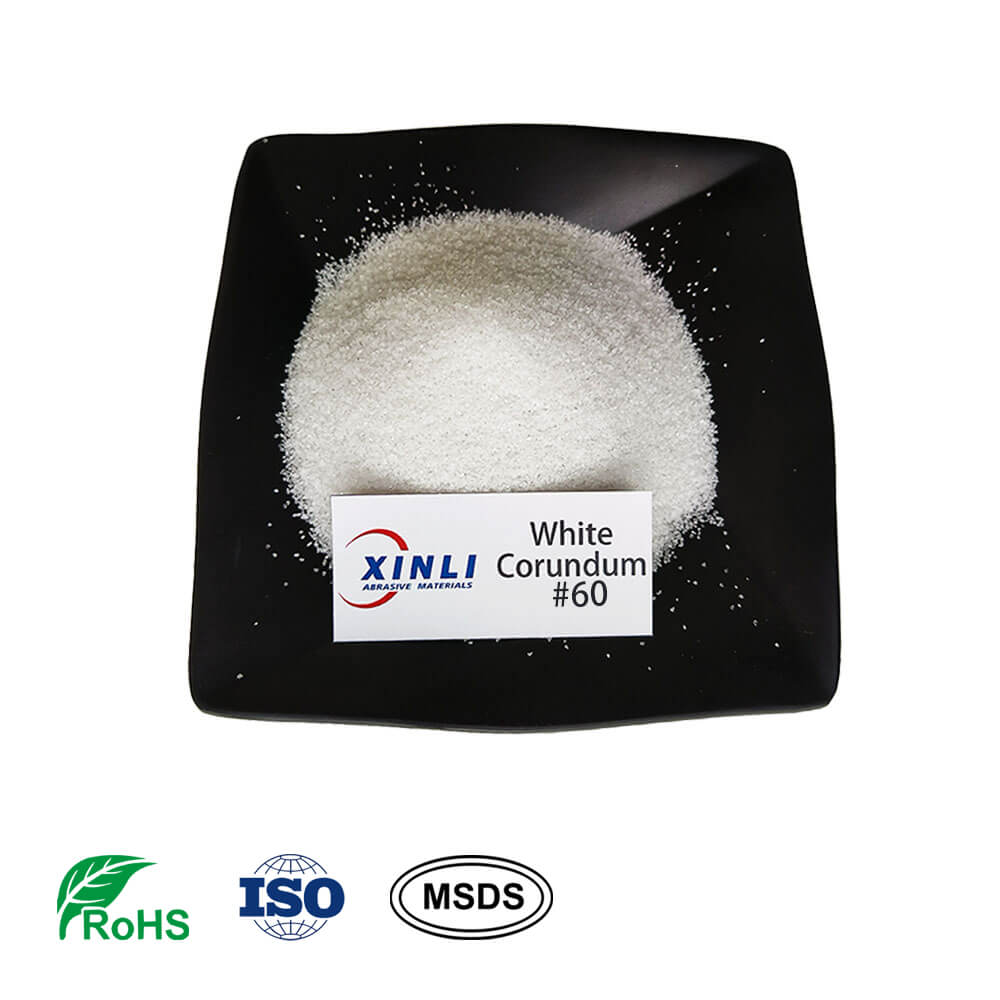
In the precision manufacturing field, where the pursuit of ultimate surface finish is paramount, white fused alumina grit 60 plays the role of a highly skilled microscopic sculptor. With an average particle size of approximately 250 micrometers and a Mohs hardness of 9.0, its unique physical properties enable efficient and uniform cutting of material surfaces. For example, in sandblasting stainless steel components, compared to a coarser 46-mesh abrasive, using 60-mesh white fused alumina can reduce the surface roughness from Ra 3.2 micrometers to Ra 0.8 micrometers in a single pass, while maintaining a stable material removal rate of 5 milligrams per square centimeter per minute, achieving an optimal balance between cleanliness and texture consistency.
This grit size excels in improving operational efficiency. An application study in the automotive parts industry showed that in the deburring process of engine blocks, using automated equipment with white fused alumina grit 60 can reduce the processing time per part from 120 seconds to 75 seconds, an efficiency increase of 37.5%, while reducing tool (abrasive) consumption by approximately 30%. Its strong self-sharpening properties ensure that the abrasive's cutting force decay rate is less than 15% after 8 hours of continuous operation. This allows the surface quality standard deviation in large-scale production to be controlled within 0.1 micrometers, significantly reducing quality fluctuations and rework rates. It is estimated that this can save a production line with an annual output of 500,000 units over 200,000 RMB in maintenance and consumable costs.
From a finer microscopic perspective, the 60-mesh particle size creates a unique surface morphology. Its particle size distribution is concentrated, with over 85% of the particles concentrated in the 212-300 micrometer range. This results in uniform, dense micro-scratches on the material surface, rather than deep grooves. In the pre-polishing treatment of optical component molds, after fine grinding with white fused alumina grit, the surface peak height (Rz) can be rapidly reduced from 10 micrometers to 2 micrometers, saving over 50% of the time for subsequent nanoscale polishing and reducing the total processing cycle from 14 days to 9 days. This improved precision directly impacts the performance of end products. For example, it increases the light transmittance of mobile phone glass covers by 0.3% and narrows the touch sensitivity error range by 15%.
Market feedback and industry standards have validated its value. According to global abrasive consumption statistics, in applications requiring surface roughness between Ra 0.4 micrometers and Ra 1.6 micrometers, 60-mesh white fused alumina accounts for 34% of usage frequency, making it the preferred solution in this precision range. In the high-end wood processing sector, solid wood flooring treated with this abrasive specification achieved a 22% higher surface feel score in blind consumer tests compared to ordinary products, resulting in a price premium of up to 15 yuan per square meter. This reveals a core logic: the precise selection and process control of the seemingly basic parameter of white fused alumina grit 60 essentially transforms surface treatment from a costly process into a strategic technological decision that enhances product added value and optimizes overall production efficiency.
From a finer microscopic perspective, the 60-mesh particle size creates a unique surface morphology. Its particle size distribution is concentrated, with over 85% of the particles concentrated in the 212-300 micrometer range. This results in uniform, dense micro-scratches on the material surface, rather than deep grooves. In the pre-polishing treatment of optical component molds, after fine grinding with white fused alumina grit, the surface peak height (Rz) can be rapidly reduced from 10 micrometers to 2 micrometers, saving over 50% of the time for subsequent nanoscale polishing and reducing the total processing cycle from 14 days to 9 days. This improved precision directly impacts the performance of end products. For example, it increases the light transmittance of mobile phone glass covers by 0.3% and narrows the touch sensitivity error range by 15%.
Market feedback and industry standards have validated its value. According to global abrasive consumption statistics, in applications requiring surface roughness between Ra 0.4 micrometers and Ra 1.6 micrometers, 60-mesh white fused alumina accounts for 34% of usage frequency, making it the preferred solution in this precision range. In the high-end wood processing sector, solid wood flooring treated with this abrasive specification achieved a 22% higher surface feel score in blind consumer tests compared to ordinary products, resulting in a price premium of up to 15 yuan per square meter. This reveals a core logic: the precise selection and process control of the seemingly basic parameter of white fused alumina grit 60 essentially transforms surface treatment from a costly process into a strategic technological decision that enhances product added value and optimizes overall production efficiency.
The Insider Briefing · Free to your inbox