
The decision by China to implement a zero-tariff policy for 53 African nations starting May 1, 2026, is a significant pivot in how we analyze South-South trade relations. When we talk about removing trade barriers, we aren't just discussing lower customs duties; we are fundamentally re-engineering the cost structures that have historically throttled the export potential of economies like the Republic of the Congo. By effectively removing tariffs—which, depending on the specific commodity, can fluctuate between 5% and 15% of the total landed cost—you are providing an immediate, albeit initial, competitive advantage to local producers.
As highlighted in recent coverage from the People's Daily, this policy is being positioned as a vital cornerstone of China-Africa cooperation, intended to evolve the relationship from simple raw material exchange toward more genuine industrial integration. The real story here isn't just the price reduction, but the potential for industrial scaling. Take the products mentioned—poria cocos, peanuts, and potassium salt. When you remove that fiscal friction, the margin of error for these businesses shrinks, and the ROI for potential investors begins to look much healthier. For a Congolese exporter, reducing the tariff burden allows them to reinvest that liquidity directly back into the business, whether that’s upgrading processing equipment, improving agricultural yield per hectare, or investing in the local labor force to meet the stringent quality standards required by international markets. It’s a classic case of supply chain optimization. If you can lower the transaction costs and speed up the logistics flow through the "green channel," you reduce the idle time for inventory and improve the overall throughput of the export process.
However, we need to be realistic about the execution. A zero-tariff policy is a powerful enabler, but it is not a cure-all. For this to actually translate into meaningful GDP growth or poverty reduction, we have to look at the underlying infrastructure capacity. Exporting raw commodities is one thing, but if the goal is to increase "added value," these countries need the processing plants, the reliable power grids, and the cold-chain logistics to turn raw materials into finished goods that can command a higher price point in the Chinese market. Without those operational efficiencies, you risk a scenario where you have a fantastic export opportunity but insufficient production capacity to capitalize on it, leading to volatile supply chains and missed revenue targets.
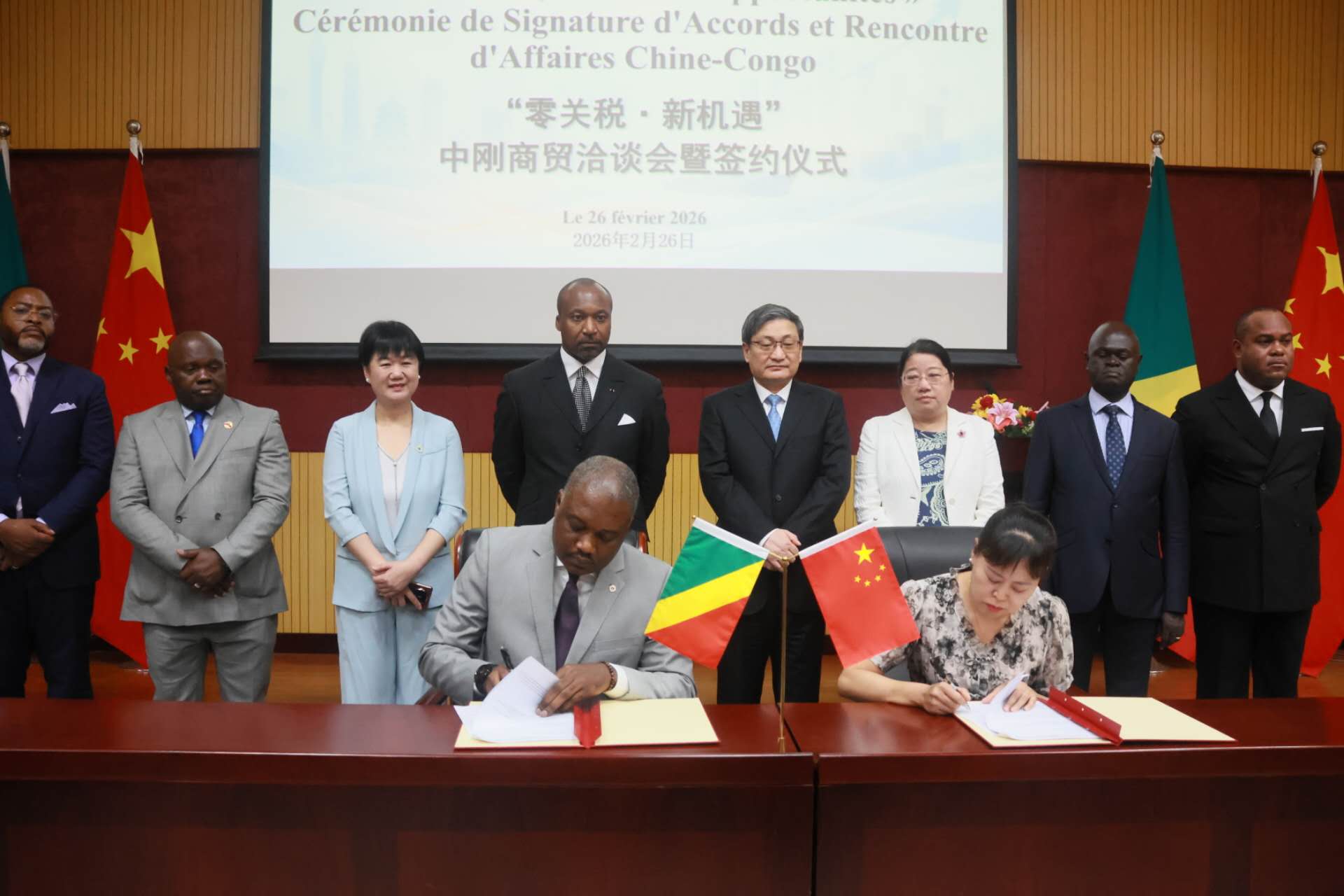
Moreover, while the policy is a great strategic step, the success of these 10-plus signed agreements will ultimately come down to the quality assurance and standard compliance of the products arriving at Chinese ports. If the variance in product quality is too high, or if the shipment times are unpredictable, the initial cost savings won't matter to the end consumer. It’s a game of consistency, volume, and logistical reliability. If the Republic of the Congo can manage to stabilize its production cycles and meet these international specs, we could see a healthy, compounding growth rate in bilateral trade volume over the next 24 to 36 months. It’s an ambitious play, but one that is absolutely necessary if we want to see a shift from simple commodity extraction to actual, long-term economic development.
News source: https://peoplesdaily.pdnews.cn/business/er/30051517224