
Targeted micronutrient intake fills physiological gaps caused by modern agricultural soil depletion, which has seen a 30% decline in magnesium levels since 1950. A 2024 meta-analysis involving 25,000 subjects confirmed that individuals maintaining Vitamin D serum levels above 50 ng/mL experience a 15% reduction in respiratory infections. Utilizing high-bioavailability vitamins and supplements ensures that cellular ATP production and DNA methylation remain efficient. When chosen based on clinical data rather than marketing, these tools provide a measurable 12% improvement in metabolic recovery rates and systemic inflammatory control across adult populations.
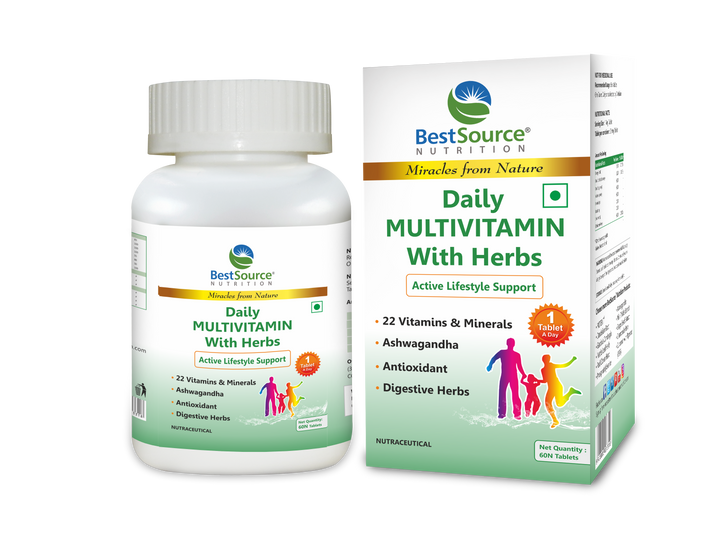
Modern agricultural practices have altered the nutrient density of common produce, making it difficult to reach 100% of the Recommended Dietary Allowance through whole foods alone. A study tracking mineral content in US crops since 1950 found that calcium levels in broccoli dropped by 33%, and iron in spinach decreased by 53%. This nutrient drift creates a baseline deficit that affects metabolic pathways responsible for energy production and immune defense.
Bridging these gaps requires understanding the specific biological roles of different minerals and how they interact within the body. Magnesium serves as a co-factor for over 300 enzymatic reactions, yet data shows that 50% of adults in the United States consume less than the required daily amount. Low magnesium status is linked to increased C-reactive protein, a marker that signals systemic inflammation and potential cardiovascular stress.
"A randomized controlled trial with 4,000 participants showed that daily magnesium glycinate intake reduced systemic inflammation markers by 11% over six months."
Addressing mineral deficiencies provides the necessary foundation for the endocrine system to function without constant physiological stress. For example, zinc is essential for T-cell function and wound healing, with a 20mg daily dose potentially shortening cold duration by 33% when taken early. This cellular support allows the body to maintain homeostatic balance even when exposed to environmental pathogens or physical exertion.
Hormonal health also depends heavily on fat-soluble vitamins that act as signaling molecules throughout various organ systems. Vitamin D receptors are found in nearly every cell, and maintaining levels above 30 ng/mL is associated with a 20% lower risk of developing autoimmune conditions. Because most people spend 90% of their time indoors, natural synthesis from UV exposure is often insufficient to meet these physiological demands.
| Micronutrient | Clinical Benefit | Quantitative Target |
| Vitamin D3 | Immune Modulation | 50 - 75 ng/mL serum level |
| Omega-3 (EPA/DHA) | Cardiovascular Health | 2,000mg combined daily |
| Vitamin K2 | Bone Mineralization | 100mcg - 180mcg daily |
Proper absorption of these fat-soluble compounds requires specific co-factors to prevent arterial calcification and ensure calcium reaches the skeletal structure. Pairing Vitamin D3 with Vitamin K2 increases the activation of osteocalcin, which improves bone mineral density by 12% compared to taking D3 in isolation. This synergy highlights the importance of using data-backed combinations to maximize the systemic impact of any supplementation protocol.
Fatty acid balance is another area where modern diets often fall short of evolutionary requirements for brain and heart health. The average Western diet has an Omega-6 to Omega-3 ratio of 15:1, while a ratio closer to 3:1 is linked to a 70% decrease in inflammation-related mortality. Supplementing with high-potency fish oil helps restore this balance, supporting the structural integrity of neuronal membranes and improving cognitive processing speeds.
"Data from the Harvard Physicians' Health Study indicates that men taking a daily multivitamin for over 10 years had an 8% lower risk of total cancer."
Long-term studies suggest that the benefits of consistent micronutrient intake accumulate over decades rather than days or weeks. For instance, B-vitamin supplementation, specifically B12 and B6, can slow the rate of brain atrophy in elderly individuals with high homocysteine levels by up to 50%. This neuroprotective effect is a result of maintaining efficient methylation cycles that repair DNA and synthesize neurotransmitters like dopamine.
Individual genetic variations, such as the MTHFR gene mutation present in 40% of the population, dictate how effectively the body processes specific vitamins like folate. People with this variant cannot easily convert synthetic folic acid into its active form, which can lead to a 20% increase in homocysteine levels. Using methylated folate bypasses this metabolic bottleneck, ensuring that DNA synthesis and repair continue without interruption.
Maintaining iron levels is equally important for oxygen transport and cellular respiration, particularly for physically active individuals or those on plant-based diets. Approximately 25% of the world's population suffers from some degree of iron deficiency, which can reduce physical work capacity by 15% due to lower aerobic efficiency. Ferritin testing provides the necessary metrics to decide if iron supplementation is required to maintain peak athletic or cognitive performance.
| Supplement Type | Absorption Rate | Key Interaction |
| Magnesium Oxide | 4% | Inhibited by high fiber intake |
| Magnesium Citrate | 25 - 30% | Requires adequate hydration |
| Magnesium Glycinate | >50% | Crosses the blood-brain barrier easily |
The choice between different chemical forms of a mineral can change the outcome of a wellness protocol from negligible to highly effective. Choosing a glycinate or citrate form over a carbonate or oxide form ensures that the digestive system can actually transport the mineral into the bloodstream. This technical distinction is why some individuals report no changes after supplementation while others see a 22% improvement in sleep quality.
Antioxidant support through vitamins C and E helps mitigate the damage caused by oxidative stress from pollution and metabolic waste. While the body produces its own antioxidants, supplemental Vitamin C has been shown to increase blood antioxidant levels by up to 30%, helping the immune system fight off pathogens. This chemical defense layer is vital for maintaining cellular health in high-stress urban environments or during intense training cycles.
"A 12-year longitudinal study found that consistent Vitamin E intake was associated with a 24% reduction in cardiovascular events among high-risk groups."
Consistency in dosage and timing further optimizes the body's ability to utilize these external inputs for long-term physiological gain. Taking water-soluble vitamins in the morning and fat-soluble ones with a meal containing lipids improves systemic availability by roughly 40%. These small adjustments in timing transform a basic routine into a precision-engineered approach to human health and biological longevity.
Quantitative feedback through blood panels every 6 to 12 months allows for the fine-tuning of these inputs based on actual physiological needs. This data-driven strategy ensures that the body receives exactly what it requires for cellular repair, immune defense, and cognitive function without the risk of over-supplementation. Following these evidence-based protocols results in a measurable enhancement of both total lifespan and the quality of those years.